The Tribunal found that Mr Jindal had engaged in professional misconduct after he created a website and distributed flyers accusing a lawyer, Mr Y, of lying under oath in a civil proceeding in which Mr Jindal was self-represented. The Tribunal determined that Mr Jindal’s behaviour flowed on from his role in the civil proceedings and was therefore not unconnected to the provision of regulated services. It also found his behaviour would meet the higher threshold of personal misconduct. The Tribunal ordered that Mr Jindal be suspended from practice for six months, censured and ordered to pay compensation and costs.
Mr Jindal unsuccessfully appealed the liability and penalty decisions of the Tribunal (see Summary of High Court Decision).
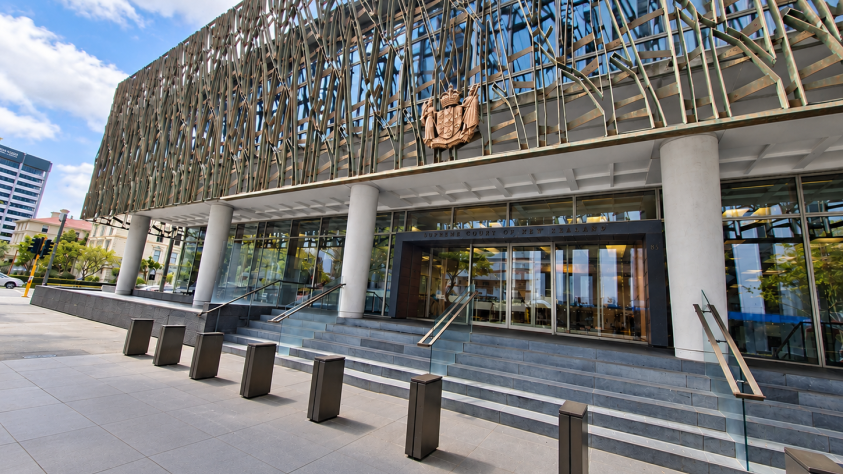
The High Court and the Court of Appeal declined Mr Jindal leave to bring a second appeal. Mr Jindal subsequently applied to the Supreme Court for leave. The Supreme Court noted that Mr Jindal sought to advance new arguments based on the New Zealand Bill of Rights which had not been before the Tribunal or the High Court. Consequently, the Supreme Court did not have the benefit of decisions assessing the merits of those arguments.
The Court considered Mr Jindal’s argument that his conduct fell into a “residual category” that was neither professional nor personal conduct. It commented that to exclude his conduct would “undermine the regulatory regime established by the LCA and run counter to the Act’s purpose of maintaining public confidence in the provision of legal services and protecting consumers of those services.” The Supreme Court found the conduct was either professional or personal and that it met the test for misconduct under both. It concluded that “…we see no prospect of a finding that the penalty imposed was disproportionately severe, and there is no appearance of a miscarriage of justice.”
To give Mr Jindal time to make appropriate practice arrangements, the suspension order has been further stayed until 6pm on 30 October 2026.
Full Supreme Court decision