As the legal information landscape continues to evolve and AI reshapes how lawyers research and practise, the Law Society Library is positioning itself to keep pace and strengthen its role as a trusted legal information service for the whole profession and the wider legal community.
In 2025, a new strategic direction for the Law Society library was developed by General Manager Representative Services Amanda Woodbridge and National Law Librarian Camille Tooman, setting out how the service will continue to support lawyers and others who rely on authoritative legal information in a rapidly changing environment.
“It’s an exciting time for the library as we look to meet the needs of the legal profession more than ever before,” Camille says.
“The way lawyers access information is changing quickly, and we’re focused on ensuring the library evolves alongside those changes.”
Several initiatives are already underway, including expanded AI-supported services, improved access to collections, and increased visibility of the library and the services it offers to all lawyers.
The refreshed direction draws on extensive feedback from the profession gathered through the library’s customer engagement project, which included focus groups, a survey, and one-to-one discussions with library users.
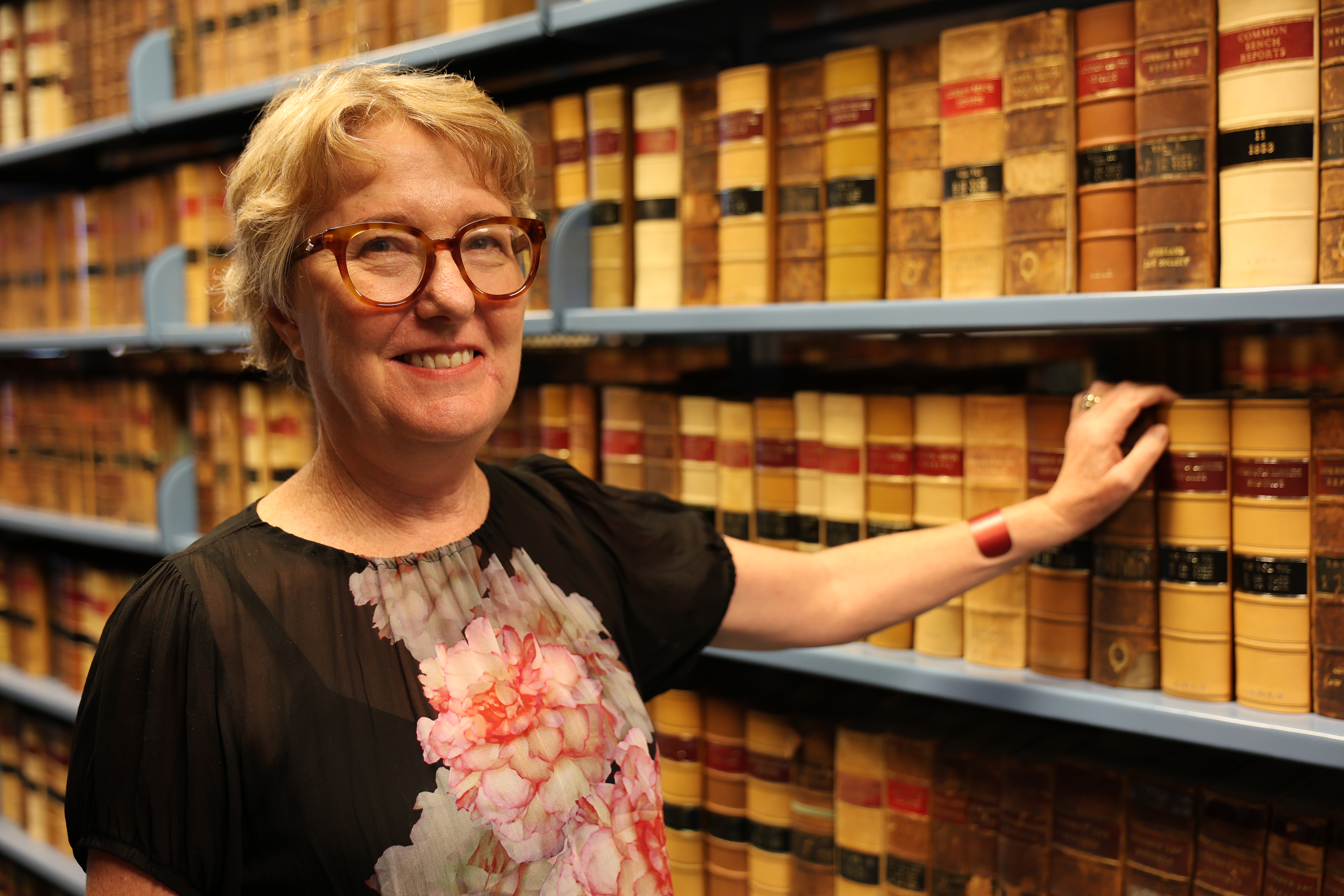
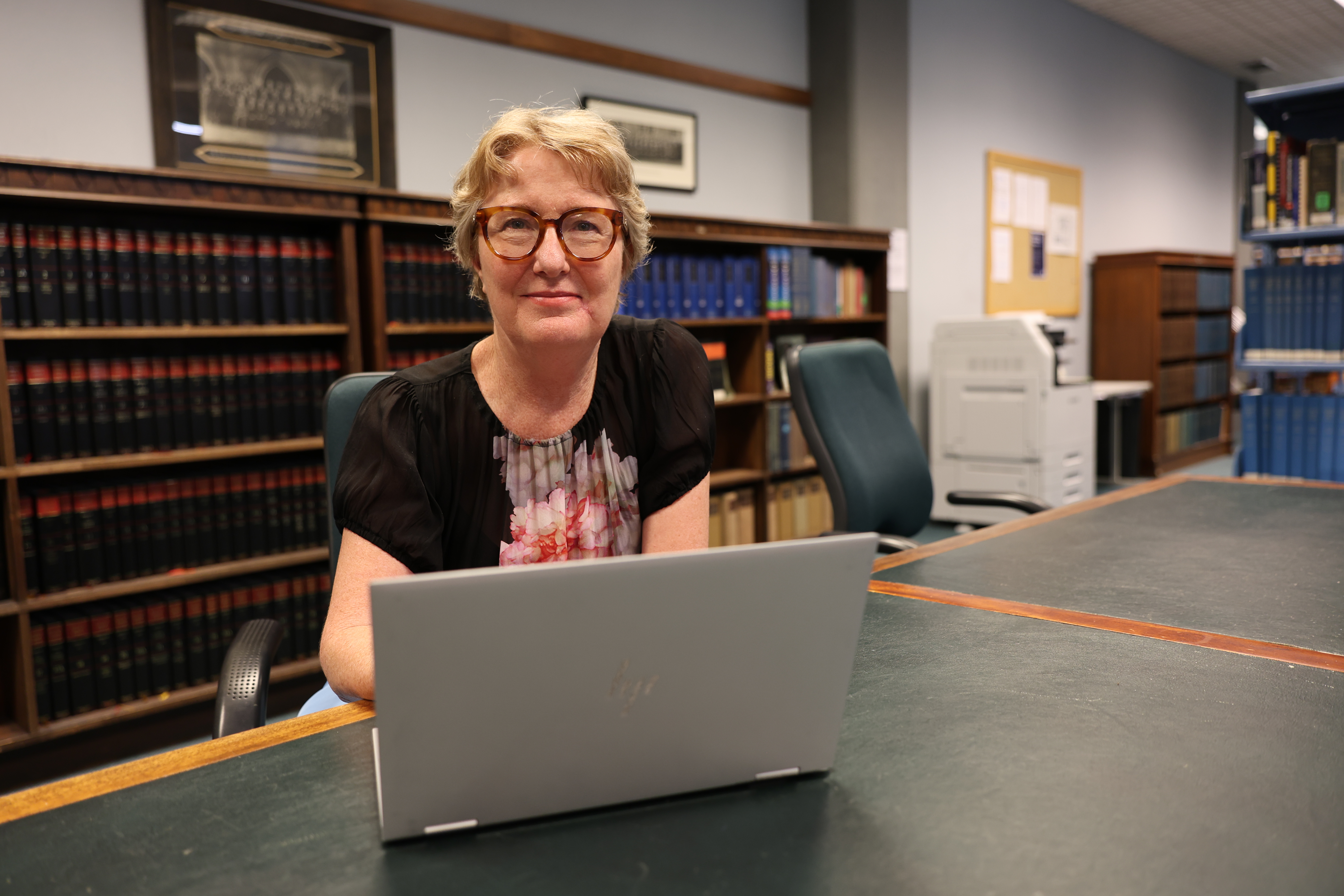
National Law Librarian Camille Tooman
Camille says the library will continue to put customers at the heart of what it does, delivering authoritative and timely legal research and materials to practitioners. What will be different, though, are the tools we use to do this work and the use of modern technologies to deliver more effectively to lawyers. “Library users will be able to track in real-time where their research query is and have a real-time conversation with a researcher about their enquiry.”
There will also be a new library catalogue that will significantly improve how lawyers access the collections. “Imagine using your phone to search the catalogue or connect through to publisher databases when you’re in court locations. Or doing an online booking for a gown or library access card.” These are just some of the improvements a new system will deliver.
There are ambitious plans for engagement initiatives across the profession including delivering national webinars on better legal research and on AI prompt searching. There will be regular in-person regional training at Lawyers’ rooms, Library Open Days and attendance by library staff at Law Society conferences. “It’s important we continue to connect with the profession where they are, to highlight how the library can meet their information needs.”
“The library is the hidden gem within the Law Society. We have the most extensive and authoritative legal collections in New Zealand, highly skilled researchers who are recognised for their legal research expertise, and a nationwide footprint which enables lawyers right across the country to access our resources. The challenge now is ensuring that every lawyer in New Zealand knows what the library can do for them.
“I’m fortunate to have an excellent team – the managers of our three libraries have deep experience within law librarianship, and our legal researchers have phenomenal skills. Adding to that, our service is strongly supported by the Law Society leadership team which means that there is genuine investment in our future.”
Amanda Woodbridge says that the Law Society Library is supporting the profession to navigate a long-term shift in the way that legal services are delivered. “It’s clear from our research that the profession is grappling with how to adopt AI including how to enjoy the benefits it offers and manage the risks. We’ve seen a lot of demand for education and tools, and we’re investing in our libraries to support the profession of the future.”
Camille notes that as firms downsize or eliminate their own library collections, the Law Society library is becoming an increasingly valuable and essential extension of many law firm libraries, in addition to serving as the principal library for many smaller firms and sole practitioners.
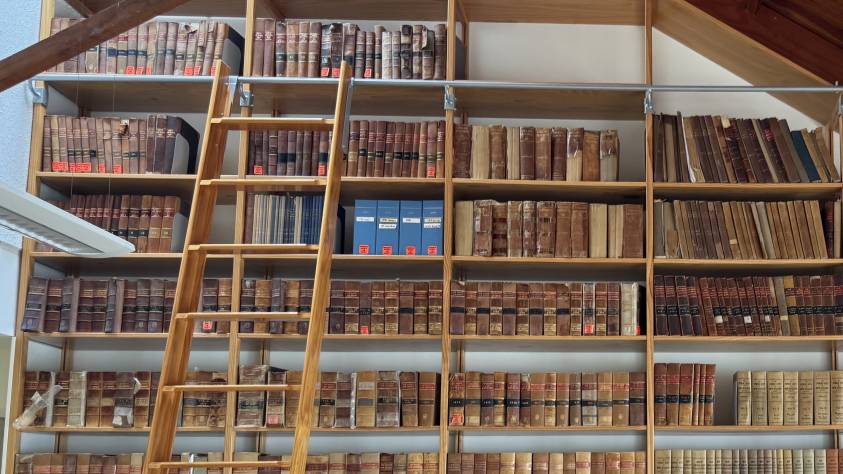
“We maintain a broad and authoritative collection across all practice areas, including extensive New Zealand and Commonwealth material. We are a unique repository for superseded and historical material not easily available either nationally or internationally.
“Our historic print collection is still frequently used. It’s hard to believe but not everything is available electronically so print material remains important for lawyers. This includes material that may be available electronically but is not court ready which affects citations.”
Looking ahead, Camille recognises AI as being a big game-changer affecting how legal research is done.
“AI is here, it’s fast-moving, it’s a bit scary, but it’s also exciting. Where do we invest and in which tools? Where do we need to be to be most effective and relevant to the profession? We see a lot of opportunity for growth with AI but we also need to be careful on how we do this. We do want to be at the forefront of providing the right tools and services to lawyers but we also need to make sure these tools represent a good investment. We’re very conscious that our services are paid for by lawyers through the practising certificate so we must be good stewards of that investment.”
AI is already having an impact upon legal research. “We’re seeing an increase in AI generated case hallucinations. Using our skills and authoritative sources, we can verify cases and source copies of cases being cited.
As well as the library’s role in validating and verifying information to ensure accuracy, the team is delivering training for the profession on how to conduct legal research effectively with AI and exploring how to integrate AI tools into its services while working with publishers to ensure best practice.
Key facts
The Law Society library is available to all practising lawyers in Aotearoa New Zealand.
Its research services are available online. Access to collections including subscription databases is available at 36 locations throughout the motu. Lawyers can access these databases using their own device or the computer (kiosk) available on location.
The Law Society library is funded through practising certificate fees.
Introducing Camille Tooman
National Law Librarian Camille Tooman joined the Law Society in 2024. She brings a long-standing passion for libraries and information services from her wide-reaching career spanning public, corporate, academic and specialist libraries.
“It’s a long way from my first job at Onehunga Public Library, where I was lucky to discover that working with books and helping people find the information they need, suited me.”
Having early exposure to interesting colleagues and strong, supportive managers fuelled Camille’s career – leading her to specialist libraries across the UK and Australia including at Shell UK, an economic consulting firm in Edinburgh, and at the Royal Melbourne Institute of Technology’s business library in Melbourne.
Camille thrives on the intellectual challenge of understanding specialised information to meet users’ needs with accurate, relevant resources. She enjoys the satisfaction of being able to connect people with information they are searching for or did not know existed.
“While legal information requires its own learning curve, the core purpose remains the same whichever subject field you work in: enabling access to authoritative information so users can do their work effectively. What I like about the Law Society is that I see the commitment of lawyers and barristers to their clients, and that’s mirrored in the library team’s dedication to supporting those practitioners."