Our Profession, Our Future: a shared strategy for lasting success
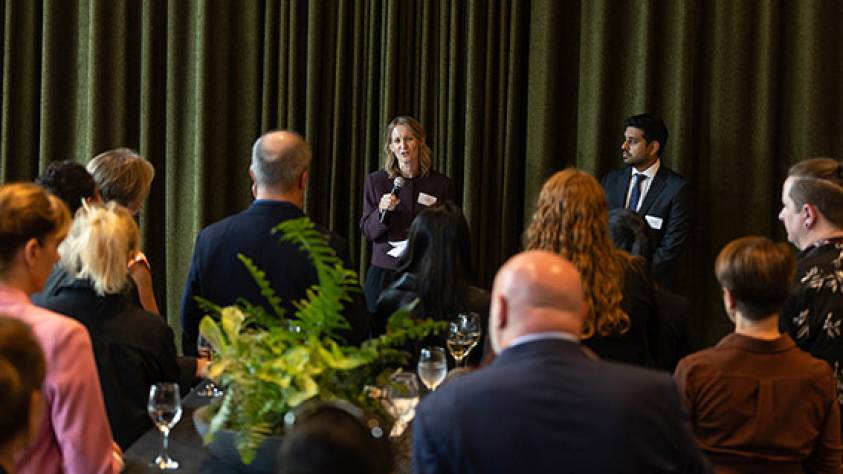
An invitation to help build the profession for tomorrow - one that's stronger, fairer and inclusive.

Chief Executive Katie Rusbatch says a new strategy, Our Profession, Our Future, is an invitation to every part of the legal community to help build an inclusive, resilient and trusted profession that can serve Aotearoa New Zealand well for generations to come.
Our Profession, Our Future has been developed by the profession for the profession.
“Diversity, equity and inclusion are central to the profession’s long-term strength,” Katie says. “Our early career lawyers are more diverse and reflective of our communities. Differing perspectives strengthen analysis and decision-making, while inclusive workplaces help attract, retain and develop talent.”
Evidence shows that organisations with diverse leadership teams are associated with stronger organisational performance, more satisfied workforces, and greater social impact. These factors help a profession remain relevant, credible and trusted by the clients and communities it serves.1

Our Profession, Our Future is the culmination of engagement since March this year with more than 600 members of the profession. Their contributions helped shape a shared direction and inform the development of a practical framework that that will support the profession to support people to participate, grow and succeed at every stage of their careers.
“This is a shared endeavour,” Katie says. “No single organisation can achieve the change required, and progress will not look identical everywhere. What matters is that legal workplaces and individuals have the confidence and support to take meaningful steps suited to their people, clients and communities.”
The Law Society will help create the conditions for action – bringing the profession together around a shared direction, providing practical guidance, tools and resources, tracking progress over time, and connecting the conversations that shape the future of the profession.
One of the first actions for the Law Society will be to expand and strengthen the Gender Equality Charter, to support a shared framework for commitment and accountability.
The strategy takes a flexible approach, recognising the different size, structure and capability of law firms, in-house teams, sole practices, barristers’ chambers and other legal workplaces. It is accompanied with a profession-wide action plan that translates the strategy into practical opportunities and show how leaders, workplaces and individual practitioners can contribute.
Katie says it’s encouraging that change is already happening across different parts of the profession, meaning the strategy can build on momentum. “As well as increasingly diverse early career cohorts, there are more diverse judicial and leadership appointments, mentoring and sponsorship programmes, employee-led networks, flexible working approaches and organisations taking deliberate steps to strengthen inclusion within their workplaces.”
1.McKinsey & Company. (2023). Diversity Matters Even More: The Case for Holistic Impact.
From April to July, more than 500 people responded to a profession-wide survey, over 90 representatives took part in interviews and workshops, and an external advisory panel provided ongoing guidance. Research into leading practice in other jurisdictions and professions also added further perspectives.
While there is broad support for creating a more inclusive, equitable and sustainable legal profession, there’s no shared view of the profession’s current state.
 |
 |
For every lawyer |
For every workplace |
| Practise active inclusion: listen to experiences different from your own, challenge bias respectfully and help create space for others to contribute. | Review recruitment, progression, flexibility and leadership processes to identify and remove avoidable barriers. |
| Make pathways visible: share knowledge, mentor others and be transparent about opportunities, expectations and routes to progression. | Assess workplace culture and strengthen environments where people feel safe, respected, valued and able to contribute fully. |
| Keep learning: build capability in inclusion, cultural competence and p commitments. | Measure and share progress through consistent workforce data, clear indicators and accountable leadership commitments. |
Special Counsel, Shine Lawyers
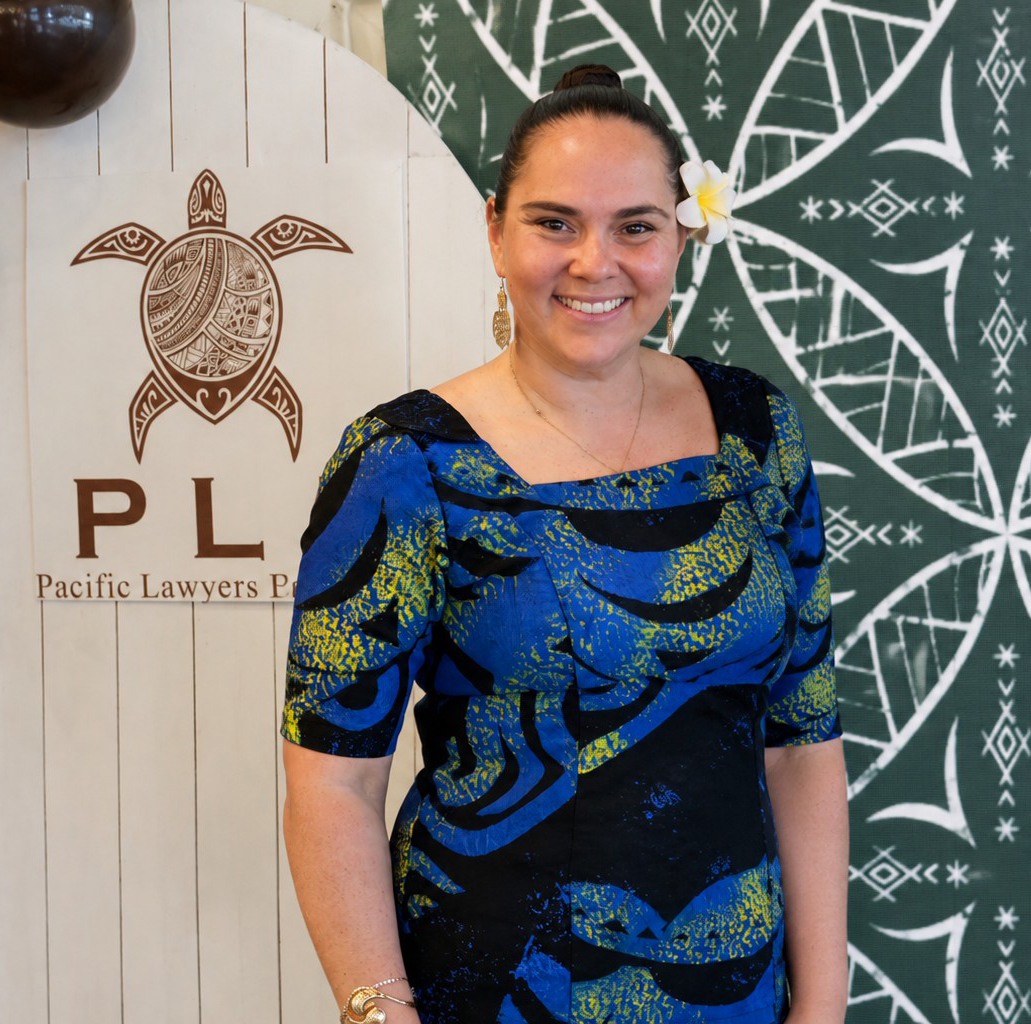
“Pacific navigators crossed vast oceans not because one person knew the way, but because many travelled together, guided by shared knowledge, purpose and trust. The engagement process reflected that same spirit. What stood out was the willingness of people across our profession to share their experiences honestly and help chart a better course. Our Profession, Our Future creates an opportunity for legal workplaces to draw strength from our diversity, ensuring every person can see themselves in the profession and contribute to its future. As we navigate the challenges and opportunities ahead, our profession will be strongest when everyone has a place in the va’a/waka and a hand in steering its direction.”
Chair, Dentons New Zealand

“Having a profession that enables all of us to succeed and thrive is fundamental to the profession being able to meet the needs of our clients and communities in the future. We all come from different starting points, and the strategy provides clear direction and support wherever that point might be.”
Tiffany and Hayden were members of the external advisory group that guided the development of Our Profession, Our Future.