New Zealand Law Society - Speakers

Professor Petra Butler, Executive Dean, Faculty of Law, University of Canterbury

Professor Butler’s academic expertise is in two distinctive research areas: human rights and international commercial contracts. In both she combines the domestic with the international and crosses boundaries among traditional legal subjects. Her approach is responsive to needs and issues arising in today’s globalised, interlinked, and interdisciplinary world. Creating synergies between subject areas, disciplines and people has been one of her key and unique research strengths. Establishing the Institute of Small and Micro States (ISMS) as an independent think tank and delivering law reform guidance, inter alia for the Commonwealth Secretariat, evidences her research approach.
Professor Kate O’Regan, University of Oxford
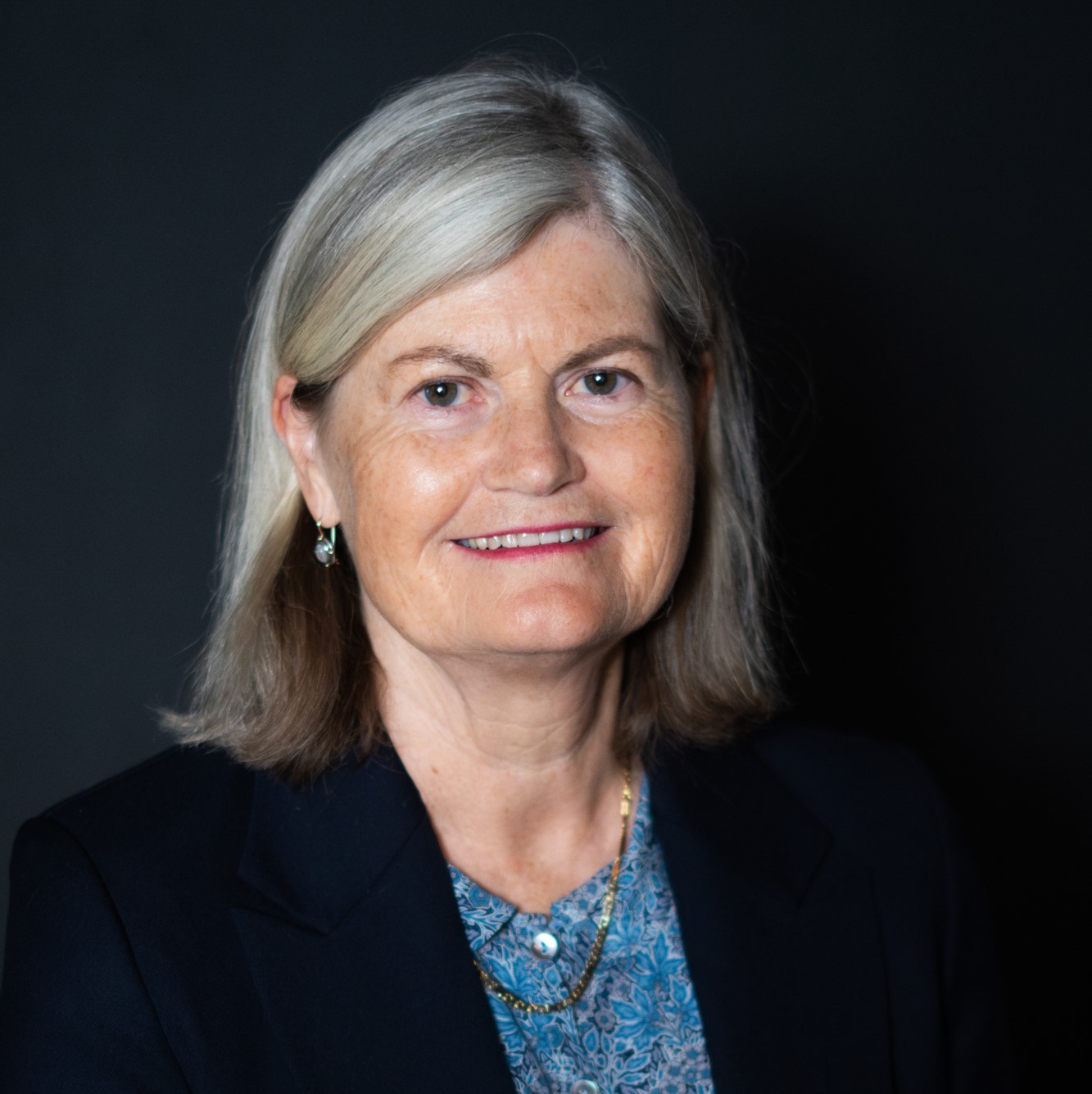
Professor Kate O’Regan served as one of the first judges of the Constitutional Court of South Africa (1994 -2009) and as an ad hoc judge of the Supreme Court of Namibia (2010-2016). From October 2016 to September 2025, she served as the inaugural Director of the Bonavero Institute of Human Rights in the Faculty of Law at the University of Oxford. She has also served (and continues to serve) as a judge on several international tribunals and on the boards of NGOs working in the fields of democracy, the rule of law, human rights and equality. Her research is in the fields of comparative constitutional law and human rights. She is the chairperson of the Mandela Rhodes Foundation, a director of SAFLII npc and a member of the Oversight Board Trust.
The Right Honourable Dame Helen Winkelmann GNZM, Chief Justice of New Zealand
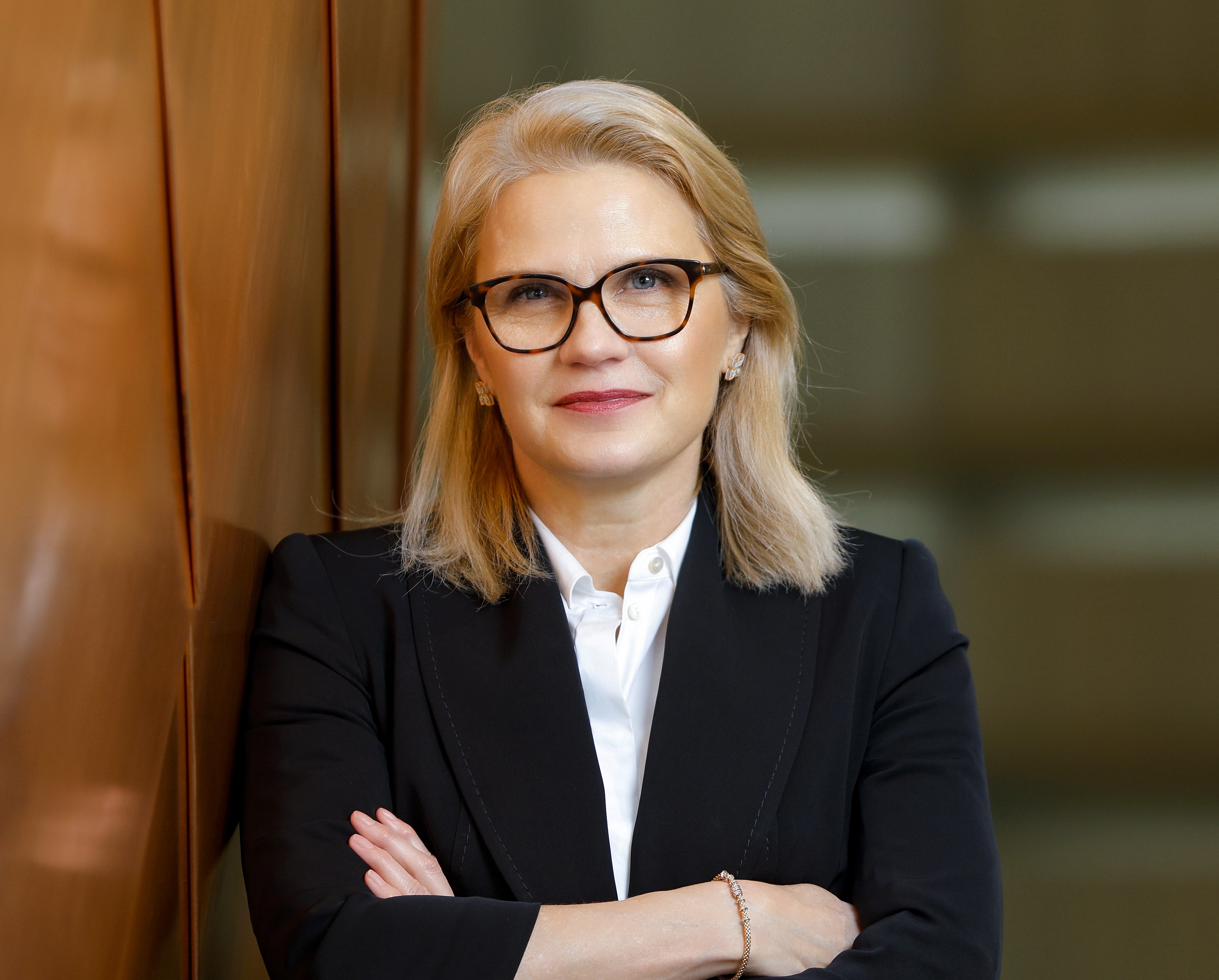
The Rt Hon Dame Helen Winkelmann was sworn in as New Zealand’s 13th Chief Justice on 14 March 2019. She is the second Chief Justice since the Supreme Court of New Zealand was established in 2004. Prior to her appointment to the judiciary, Justice Winkelmann was a partner in the law firm now known as DLA Piper, and after that practised at the independent Bar in commercial law and medico-legal litigation. She was appointed as a High Court Judge in 2004, and as Chief High Court Judge in 2010. She was appointed to the Court of Appeal in 2015, before being appointed to the Supreme Court in 2018.
Dylan Asafo, University of Auckland
Fuimaono Dylan Asafo is a Samoan with family ties to the villages of Salani, Satalo, Siumu, Moata’a. He was raised in Aotearoa and is a senior lecturer at Auckland Law School. His areas of teaching and research include anti-racism, anti-colonialism and rights in Aotearoa and the Pacific Islands.
Dr Lida Ayoubi, AUT Law School

Dr Lida Ayoubi is a senior lecturer and the director of postgraduate programmes at AUT Law School, where she teaches public law and international human rights law.
For her PhD thesis on the access to information rights of disabled persons, she received the 2015 John Miller Award in Social Justice (VUW). She also holds an LLM in International Human Rights Law from Lund University and an LLB from the University of Tehran. More recently, she authored a UNESCO-commissioned report on access to information laws and the rights of disabled persons and currently serves as a trustee of Aotearoa Disability Law.

Vinod Bal (he/him) is a lawyer who focuses on the human rights of sexual and gender minorities, both in the domestic and international legal realms. He has broader scholarly interests in international criminal justice and the reception of international law in Aotearoa New Zealand.
Simeon Beckett SC, Maurice Byers Chambers

Simeon is a leading public law barrister with over 25 years’ experience in human rights law, anti-discrimination law, administrative law and judicial review, coronial inquests and commissions of inquiries, and native title. He regularly appears in state and federal courts and tribunals at first instance and in appellate matters including in the High Court of Australia. Simeon has a long-term interest in human rights law including the rights of First Nations and has been chair of the Human Rights Committee of the NSW Bar Association and the First Nations Issues Committee of the Australian Bar Association.
Dr Marcin Betkier, Oranga Tamariki – Ministry for Children
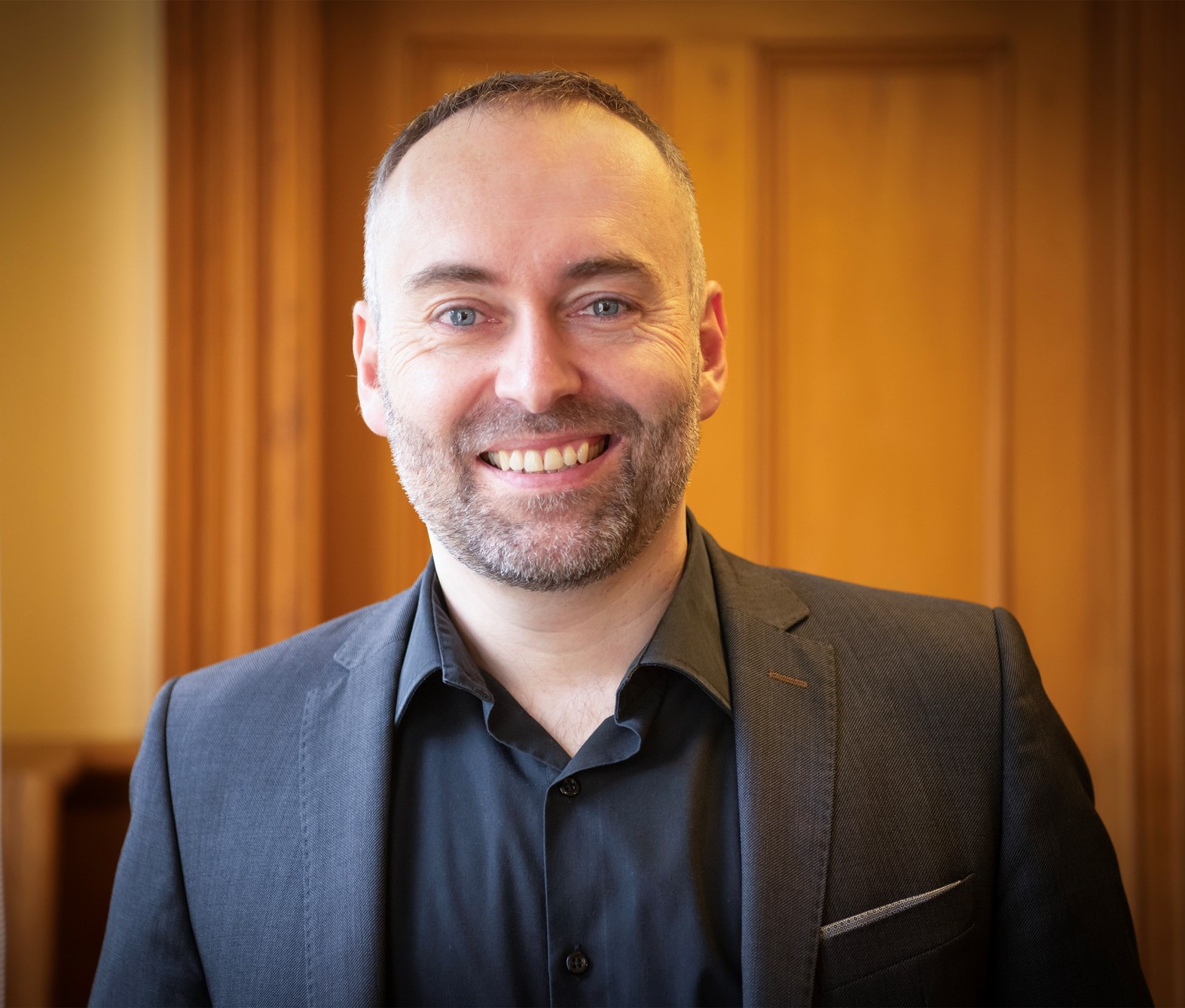
Dr Marcin Betkier is Privacy Manager at Oranga Tamariki – Ministry for Children and an Adjunct Lecturer at Victoria University of Wellington, teaching Data Privacy after previously holding a full-time lectureship. He holds a PhD in Law (Victoria University), a Master’s in Law (Koźmiński University), a Master’s in Computer Science (Warsaw University of Technology), and an MBA (Koźmiński University). His research examines data privacy, emerging technologies (AI, Facial Recognition), and online service regulation. A founding member of the Privacy Foundation NZ, Marcin served as Chair (2022–2024) and convenes its Privacy in Digital Economy Working Group.
Aimee Bryant, The New Zealand Law Society Te Kāhui Ture o Aotearoa

Aimee Bryant BA/LLM (1st class honours) is manager of law reform and advocacy at the New Zealand Law Society, and a volunteer lawyer and trustee at Community Law Wellington and Hutt Valley. She previously worked at the Office of the Ombudsman in a variety of senior investigative and advisory roles. Aimee is a PhD candidate at the University of Canterbury: her thesis aims to develop an understanding of the impact of the New Zealand Bill of Rights Act through an analysis of those who have claimed its protection before the courts.
Dr Andrew Butler KC, Thorndon Chambers (Wellington) and Bankside Chambers (Auckland)

Andrew is a leading human rights litigator and academic. He has appeared in many of the leading New Zealand human rights cases, particularly at appellate level. Andrew is co-author of the leading text, The New Zealand Bill of Rights Act: A Commentary (2nd ed, 2015), which is regularly cited by the New Zealand courts. He has taught a number of LLM courses on human rights at Victoria University of Wellington and the University of Melbourne law schools.
Dr Andrew Chen, New Zealand Police

Dr Andrew Chen is chief advisor: technology assurance at New Zealand Police, where he evaluates the legal, privacy, security, and ethical implications of emerging technologies. He has a background in computer engineering with his PhD from the University of Auckland covering AI/ML techniques for computer vision. His subsequent research work has focused on the societal impacts of digital technologies, with significant work on digital contact tracing, facial recognition, and the Algorithm Charter. He has recently supported the responsible and safe introduction of generative AI tools at NZ Police, alongside work on ANPR, FRT, and OSINT.

Sonja Cooper, Principal of Cooper Legal, has been practising law for nearly four decades and has dedicated the past 30 years to working with survivors of abuse in care (including state care). Admitted to the bar in 1986, she has an extensive litigation background encompassing family, employment, privacy, medico-legal, accident compensation and general civil litigation. Sonja has appeared in all levels of the Courts, including the Supreme Court. She has expertise in tort law, the Limitation Act, equitable remedies and damages issues. Sonja and her team use public law remedies, such as the New Zealand Bill of Rights Act, to obtain appropriate and just outcomes for clients.

Kathryn is a senior barrister practising in employment and privacy law as well as civil litigation and professional ethics. In 2025, Kathryn was appointed by the University of Canterbury as an Adjunct Professor of Practice, Faculty of Law and was admitted as a Barrister and Solicitor of the Supreme Court of Samoa. Kathryn regularly presents at conferences and seminars in privacy, employment and legal ethics. Kathryn’s publications include: Privacy chapter in Human Rights Law (Looseleaf), Thomson Reuters; Ethics, Professional Responsibility and the Lawyer (3rd Ed) (co-author); Employment Law and Health Information chapters in Health Care and the Law (5th ed); Ethics with Older Clients chapter in A Practical Guide to Legal Issues for Older People; and Privacy in Schools (2009).
Karen Feint KC, Thorndon Chambers

Karen is a highly experienced barrister practising in public and constitutional law, with particular expertise in Te Tiriti o Waitangi and Māori legal issues. She has successfully acted for Māori litigants in some high-profile cases against the Crown in the appellate courts. Karen is interested in the interface between human rights and indigenous rights in the public and constitutional law of Aotearoa New Zealand.
Dr Mark Hanna, University of Canterbury

Dr Mark Hanna is a senior lecturer in private law at the University of Canterbury. His research is broadly socio-legal, focusing on the protection of fundamental rights in law. Recently, his work has concentrated on Strategic Litigation Against Public Participation (SLAPPs), and he is the Director of the SLAPPs Research Group—a global network of scholars engaged in research and policy reform on SLAPPs. Dr Hanna has advised legislative bodies in the UK, Ireland, and Northern Ireland on defamation and anti-SLAPP reform, and has published in leading journals on defamation, free speech, and the impact of civil litigation on public participation and democratic accountability.

Dr Thomas Harré is a barrister practising at the defence bar in Christchurch. His PhD research, and subsequent publications, have focused on issues of transnational criminal law, human trafficking, and fair trial rights. He is an associate member of the Centre for Research on Modern Slavery, University of Auckland Business School, and a board member of Community Law Canterbury. He serves on the New Zealand Law Society’s Human Rights and Privacy Law Reform Committee and has consulted for the United Nations on human trafficking matters.
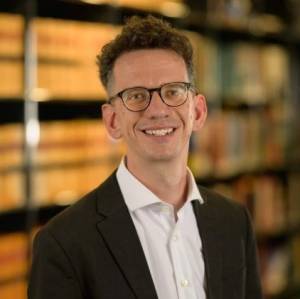
Max Harris is a barrister at Thorndon Chambers. The focus of his practice is public law, and he has appeared recently in the Supreme Court and Court of Appeal in New Zealand Bill of Rights Act litigation. Max has a PhD in constitutional law from the University of Oxford, where he taught philosophy of human rights and law for public policy. He also writes for a public audience on human rights-related issues, including through a monthly column for Stuff outlets, and is a part-time campaigner at ActionStation, where he works with social movements on human rights-related campaigns.
Frankie Karetai Wood-Bodley, Karetai-Wood-Bodley & Co

Frankie Karetai-Wood Bodley (they/them) is an intersectional human rights law specialist who combines lived experience of disability and being LGBTQIA+ with legal expertise to drive law reform, system change and advance diversity, equity, inclusion and belonging. Frankie’s LLM research focused on supported decision-making as a tool for enabling disabled people to reclaim their mana motouhake (self-determination) and live life according to their dreams and aspirations. Frankie brings a powerful and nuanced perspective to the future of the Bill of Rights Act—challenging how the law can better uphold dignity, equality before the law, and belonging for all.
Prof Dr Martin Kment, University of Augsburg

Martin Kment is managing director of the Institute for Environmental Law at the University of Augsburg and holds the Chair of Public Law and European Law, Environmental Law and Planning Law. He is founder of the German Environmental and Infrastructure Law Conference and a member of the Scientific Advisory Board of the Academy for Spatial Development in the Leibniz Association. His research focusses on environmental, infrastructure and energy law as well as constitutional law. Martin Kment is currently a visitor in residence at the Victoria University of Wellington Faculty of Law, where he is researching rights of nature. With reference to New Zealand law, he has published articles on the principle of sustainability and the rights of nature debate.

David Lepofsky is a visiting professor at the law schools at the University of Western Ontario, the University of Ottawa and Queen’s University, a past visiting professor at Osgoode Hall Law School and, for over three decades, adjunct law professor at University of Toronto. He retired from law practice after 33 years as Crown counsel at Ontario’s Ministry of the Attorney General, arguing civil, constitutional and criminal cases. He chairs the Accessibility for Ontarians with Disabilities Act Alliance and the Toronto District School Board’s Special Education Advisory Committee and is a member of the Ontario Courts Accessibility Committee. He is a member of the Order of Canada and the Order of Ontario and holds four honorary doctorates.
Prof Dr Oliver Lepsius, University of Münster
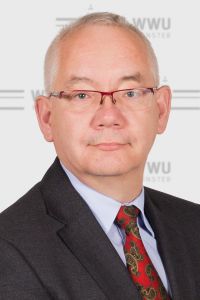
Professor Lepsius is chair of public law and constitutional theory at the University of Münster. He has held professorships at the Universities of Heidelberg and Bayreuth and has taught at leading institutions including the University of Chicago, Michigan, Birmingham, Paris II, and Osaka. Professor Lepsius’ research focus spans public, administrative, constitutional law, and their historical underpinnings, as well as the democratic and property theories, and the theory of interdisciplinarity. He is co-editor of Jahrbuch des öffentlichen Rechts and Der Staat, and a member of the Bavarian Academy of Sciences. His awards include the Max Weber Prize and Legal Book of the Year, recognising his outstanding contributions to legal scholarship and education.
Chris McGavin, LensenMcGavin AI
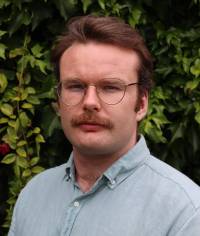
Chris McGavin is a digital and technology policy professional with extensive experience in AI ethics, regulation, and policy. He holds a master’s degree in law, where his thesis studied AI regulation in the context of AI harms and global regulatory instruments. Chris has considerable expertise in global AI policy efforts, such as the EU’s AI Act and Aotearoa’s AI policy environment. He previously worked at the Brainbox Institute, Aotearoa’s leading digital policy think-tank, contributing to projects like the Global Index on Responsible AI, development of Aotearoa’s first comprehensive AI policy tracker. Chris is the co-director of LensenMcGavinAI, a consultancy aimed at assisting organisations explore responsible AI and AI implications. He is a visiting scholar at Victoria University of Wellington, focusing on AI regulation, policy, and ethics, and is deeply enthusiastic about ensuring that Aotearoa learns from errors made in AI implementation in other jurisdictions.
Dr James Mehigan, University of Canterbury

James is associate professor at the Faculty of Law at the University of Canterbury. He is broadly interested in how the state and other powerful actors are held accountable for the harm they cause. This includes the struggle for justice for, amongst others, prisoners, victims of police brutality and other marginalised groups. James has published books on prison education, joint criminal enterprise and human rights defenders in Israel and Palestine.

Dr Cassandra Mudgway, University of Canterbury
Cassandra is a senior lecturer at the University of Canterbury. She researches technology-facilitated abuse, gender-based violence, and international human rights law.
The Right Honourable Sir Geoffrey Palmer KCMG, AC, KC
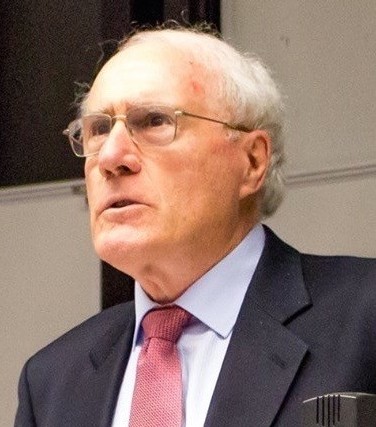
Distinguished Fellow at the Faculty of Law and Centre for Public Law, Victoria University of Wellington; Global Affiliated Professor, College of Law, University of Iowa. Sir Geoffrey is member of His Majesty’s Privy Council and was made a Knight Commander of the Order of St Michael and St George in 1991 and an honorary companion to the Order of Australia the same year. His academic career spans decades, with numerous appointments in New Zealand and the United States, and a prolific output of over 200 publications and 12 books. He was Prime Minister of New Zealand (1989-1990), and served as Attorney-General, Minister of Justice, Leader the House, Deputy Prime Minister, and Minister for the Environment. In 1994 Sir Geoffrey co-founded Chen & Palmer Public Law Specialists and later served as President of the Law Commission (2005-2010), while also chairing the Legislation Advisory Committee. He has appeared in superior courts including the Privy Council, holds honorary doctorates from four universities and in 2016 was made a Master of the Bench of the Middle Temple in London, one of the Inns of Court.
The Honourable Justice Matthew Palmer, Court of Appeal
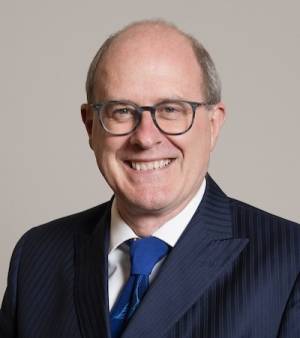
Hon Justice Matthew Palmer has a BA (Economics and Political Science) from the University of Canterbury, a LLB (Hons 1st class) from Victoria University of Wellington, an LLM and a JSD from Yale Law School. He has been a manager at the New Zealand Treasury, Deputy Secretary for Justice (Public Law), Pro Vice Chancellor and Dean of Law at Victoria University and Deputy Solicitor-General (Public Law). He has taught law at Victoria, Chicago, Hong Kong, Yale, and the National University of Singapore. He has published various articles and books including, with Dean Knight, New Zealand’s Constitution: A Contextual Analysis, 2022). He was appointed as a Queen’s Counsel in 2014, to the High Court in 2015 and to the Court of Appeal in 2024.
Katie Rusbatch, Chief Executive Officer, The New Zealand Law Society Te Kāhui Ture o Aotearoa

Ms Rusbatch was appointed as Chief Executive Officer of the Law Society in December 2022. She Joined the Law Society as General Manager Professional Standards (Regulatory) in 2021 where she oversaw the regulatory work, including the Lawyers Complaints Service, Registry and the Inspectorate. Before joining the Law Society, Katie was Head of Competition at the Commerce Commission where she led the cartel, merger and abuse of market power investigation teams. She started her legal career in New Zealand before working in the United Kingdom and Singapore.

Matthew Smith, Thorndon Chambers
Matthew has a broad public and commercial practice, encompassing regulatory, Māori, human rights, and environmental law, and with a special expertise in judicial review and the use of other public law tools. He works across the entire range of public law and has acted for public sector bodies (including government departments, Crown entities and commissions of inquiry), individuals, entities of many kinds (including companies, incorporated societies, trusts and Māori incorporations), industry groups, and NGOs. Matthew regularly appears as lead counsel in all the higher courts, as well as in specialist courts and tribunals. His non-litigation work involves the provision of legal and strategic advice and support in a range of settings. In addition, Matthew is the sole author of the New Zealand Judicial Review Handbook – a comprehensive text on judicial review in New Zealand that is now in its second edition.
Dr Marozane Spamers, University of Canterbury

Marozane Spamers is a lecturer in law and criminal justice in the Faculty of Law – Te Kaupeka Ture at the University of Canterbury – Te Whare Wānanga o Waitaha, Aotearoa New Zealand. Marozane’s research interests are in mental health and criminal justice, drawing on criminal law, criminology and human rights law. She takes a multidisciplinary approach to research, based on the view that law does not operate in a vacuum and that the legitimacy of the criminal justice system can only be ensured if legislation and policy are evidence based. She is particularly invested in determining how criminal law and criminal justice policy can be used to protect the human rights of people with mental health concerns while achieving the goals of the criminal justice system. Marozane holds an LLB, an LLM in criminal law and an LLD in mental health law from the University of Pretoria, South Africa, as well as an MPhil in criminological research from the University of Cambridge, United Kingdom. Before moving to New Zealand, Marozane was a lecturer in constitutional and administrative law at the University of Limpopo, South Africa.
The Honourable Pamela Tate AM KC, Monash University
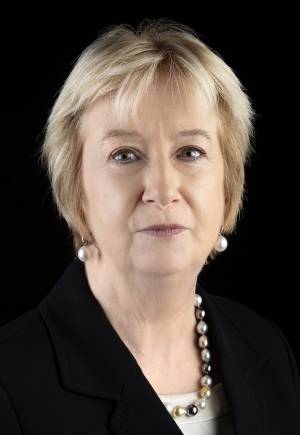
The Honourable Pamela Tate AM KC is an adjunct professor of law at Monash University and a former judge of the Court of Appeal, Supreme Court of Victoria, Australia. When Solicitor-General, she was Special Counsel to the committee that recommended the enactment in 2006 of Victoria’s Charter of Human Rights and Responsibilities. She is a Director of the Australian Academy of Law. In 2018 Monash University conferred upon her an honorary Doctor of Laws. She is a former Patron of Women Barristers’ Association and the current Patron of the Australasian Association of Philosophy and the Human Rights Law Association.
Marie Taylor-Cyphers, Verus Chambers
Marie Taylor-Cyphers (LLM) has an extensive criminal, civil and appellate background within the New Zealand legal profession. As Head of Verus Chambers (Auckland), she is a member of New Zealand Bar Association committees including Te Ao Māori Komiti (promoting te reo Māori and endeavouring to grow the strengths in the profession) and the Criminal Committee (assessing issues related to criminal justice administration), including proposed legislative change and legal aid review work. She is passionate about mentoring and professional development and has regularly lectured in fourth year papers at the University of Otago including sentencing, criminal justice and advocacy. Marie is regularly sought out by national media (including RadioNZ, StuffNZ and Newshub) to provide insight regarding legal issues at the forefront of the sector.
Julia Amua Whaipooti (Ngāti Porou), Tatau-Urutahi | Tino Rangatiratanga shared leader
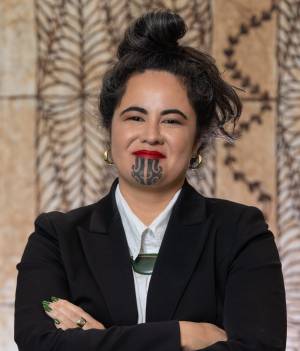
Julia Whaipooti has dedicated her career to upholding and advancing human rights, particularly focusing on the rights of indigenous communities. Before joining the Human Rights Commission, Julia served as the Director of Engagement for the Royal Commission of Inquiry into Historical Abuse in State Care, where she played a crucial role in amplifying the voices of survivors. Her previous work includes significant contributions at the Office of the Children’s Commissioner and Te Uepū Hāpai i te Ora - the Safe and Effective Justice Advisory Group. Julia is now part of a shared leadership model based on the principles of Te Tiriti o Waitangi, collaborating with Tatau-Uruora | Kāwanatanga Shared Leader Meg de Ronde to uphold human rights in Aotearoa. Julia commitment and leadership continue to drive the Human Rights Commission's vision of an Aotearoa where dignity, equality, and justice are accessible to all. Julia has recently returned from the 18th session of the United Nations Expert Mechanism on the Rights of Indigenous Peoples (EMRIP).
Dr Shona Wilson Stark, University of Cambridge

Dr Shona Wilson Stark is an Associate Professor in the Faculty of Law, and the Mary Arden Official Fellow in Law at Girton College, both University of Cambridge. She is the Deputy Director of the University of Cambridge’s Centre for Public Law. She qualified as a solicitor in Scotland and worked as a Legal Assistant at the Scottish Law Commission, before completing her doctoral studies at the University of Cambridge on law reform commissions. She now teaches and publishes in public law broadly defined, including constitutional law and theory, human rights, and administrative law, with a particular focus on processes of law making and law reform.

John Allen is the Chief Ombudsman of New Zealand. He was appointed by the Governor-General for a five-year term which began on 31 March 2025. John’s former roles include as a partner in law firm Rudd Watts and Stone and as chief executive of a number of organisations including NZ Post group and the Ministry of Foreign Affairs and Trade. John also served as Chancellor of Victoria University.
Prof Natalie Baird, University of Canterbury

Professor Natalie Baird (Te Kaupeka Ture | Faculty of Law, University of Canterbury) teaches and researches in the areas of international human rights law, refugee law and policy, Pacific legal studies and disaster law. She is interested in the connections between international human rights law and domestic implementation, especially in relation to vulnerable groups and individuals.
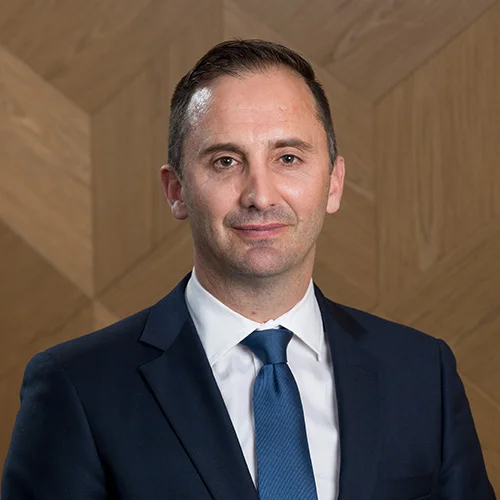
Kerry Cook, Bridgeside Chambers
Kerry is a barrister practising out of Bridgeside Chambers in Christchurch. He has a predominantly criminal law focus and as such interacts with the New Zealand Bill of Rights Act regularly.
Dr Julie Debeljak, Monash University

Dr Julie Debeljak is an Associate Professor, Faculty of Law at Monash University. Julie is the Associate Dean for Equity, Diversity and Inclusion within the faculty, and Deputy Director of the Castan Centre for Human Rights Law. Julie teaches and researches in the fields of international, comparative and domestic human rights instruments, laws and institutions, as well as constitutional law and public law. She has been a Chief Investigator on two Australian Research Council Linkage Grants: (a) Australia’s Response to Trafficking in Women in the Asia-Pacific Region (2006–2009), and (b) Applying Human Rights Legislation in Closed Environments (2009–2012). Julie’s academic work is informed by her expertise in human rights capacity-building within Victoria, Australia, and other countries including Vietnam, Indonesia, Iraq and Myanmar.
Tiffany Sauni, Shine Lawyers NZ

Born in Samoa, Tiffany is currently a Special Counsel and a specialist litigator dealing in dispute resolution, primarily acting for plaintiffs. She has spent the last eight years specialising mainly in insurance litigation work. Tiffany graduated from Canterbury University in 2009, and was admitted in the Supreme Court of Samoa, and the High Court of New Zealand in 2010. Following graduation, she began her career at the Attorney General’s Office of Samoa where she undertook criminal prosecution work, civil and commercial litigation, and some legislative drafting. Tiffany migrated to Christchurch in 2014 and has worked in a number of different areas of law in her career. She became a lawyer to help people and serve her community.